Placer.ai: 3 Factors Driving Grocery Growth in 2026
Brick-and-mortar visits are rising through more frequent, targeted trips across multiple stores.
Feb 24, 2026 | 3 min read
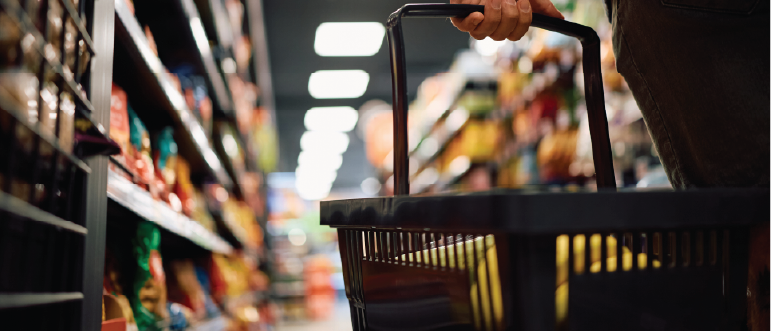
Grocery foot traffic data from research firm Placer.ai shows that brick-and-mortar engagement is growing, with visits rising as shopping missions among consumers evolve, the company said.
The growth in grocery visits is being driven by low- and middle-income households navigating higher food costs by making more frequent, targeted trips. “Shoppers are showing up more often and increasingly splitting their trips across retailers based on value, availability and mission—pushing grocers to compete for portions of the grocery list instead of the full weekly basket,” the research company wrote.
Here are key grocery growth drivers from Placer.ai for 2026:
Expanded supply: Grocery supply is expanding across multiple formats. Wholesale clubs are constantly opening new locations and discount and dollar stores are investing more heavily in their food selection, giving consumers a wider choice of where to shop for groceries. “Rather than fragmenting demand, this broader availability appears to have increased overall grocery engagement—benefiting both dedicated grocery stores and grocery-adjacent channels,” Placer.ai said.
Low- and medium-income households driving visits: “While much of the broader retail conversation heading into 2026 centers on higher-income consumers carrying growth, the trend looks different in the grocery space. Recent visit trends show that grocery growth has increasingly shifted toward lower- and middle-income trade area … elevated food costs appear to be translating into more frequent grocery trips as consumers manage budgets through smaller baskets, deal-seeking and shopping across retailers.”
Frequent, short trips: “Between 2022 and 2025, the biggest year-over-year visit gains in the grocery space went to visits under 30 minutes, with sub-15-minute visits seeing particularly big boosts. As of 2025, visits under 15 minutes made up over 40% of grocery visits nationwide—up from 37.9% of visits in 2022. … Value-conscious shoppers seem to be increasingly shopping across multiple retailers to secure the best prices.”
Placer.ai also noted that scale is increasingly enabling grocers to reinvest in the factors that attract and retain shoppers. “Larger chains are better positioned to invest in broader and more differentiated product selection, stronger private-label programs that deliver quality at accessible price points, competitive pricing and operational excellence across stores and omnichannel touchpoints. These capabilities allow top chains to serve a wide range of shopping missions—from quick, convenience-driven trips to more intentional visits in search of the right product or ingredient,” the company wrote.
At the same time, the top 15 most-visited grocery chains accounted for a disproportionate share of visits lasting 15 minutes or more, while smaller grocers captured a larger share of the shortest trips.
