Starbucks Makes a Play for the Afternoon Daypart
The Wall Street Journal said the QSR is focusing on less-caffeinated drinks and healthy snacks.
Feb 24, 2026 | 3 min read
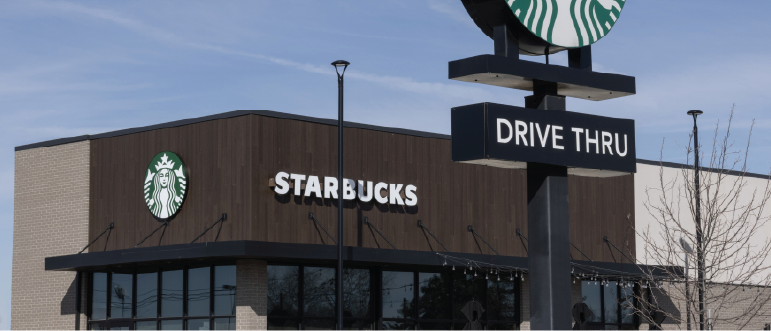
While Starbucks’ operating hours run the full day, more than half of company-operated U.S. store sales—roughly $12 billion annually—happen by 11 a.m., reported The Wall Street Journal.
Starbucks recently posted its strongest U.S. same-store sales growth in two years, pointing to transaction growth from holiday promotions and seasonal product launches. At its investor day late last month, Starbucks projected revenue growth of 5% or more by its 2028 fiscal year. Yet the retailer hasn’t quite won over the afternoon daypart yet.
“Starbucks has talked for years about turning the afternoon into a genuine peak to rival the morning rush. The investments now under way—from higher staffing levels and faster equipment to redesigned seating that makes cafes more inviting—have the potential to transform the business into something even bigger. … Some of the most successful restaurant turnarounds have come from winning a new time of day,” WSJ wrote.
The article highlighted McDonald’s as an example of a QSR that became an all-day staple by adding breakfast, and Starbucks is inversely trying to win over the afternoon snacker.
However, Starbucks must consider its consumers’ caffeine threshold. As the day goes by, Americans tend to shift toward sparkling beverages, ice teas or cold energy drinks, said David Henkes, senior principal at Technomic.
“To succeed, Starbucks must pull off a delicate balancing act: revive the classic coffeehouse atmosphere while reminding customers that it also offers an entirely different universe of beverages and snacks tailored to the afternoon. In effect, it needs to operate two Starbucks at once. There are clear signs the company gets this. Starbucks is rolling out digital menu boards across its U.S. stores, allowing it to spotlight items better suited to the afternoon, such as matcha drinks, flatbreads or protein energy balls, and gently nudge customers toward new habits as the day wears on,” WSJ wrote.
Meanwhile, rival coffee QSR Dutch Bros is facing a similar dilemma. Placer.ai data shows that only 32.6% of Dutch Bros visits occur before 11:00 a.m., compared to 43.1% for the coffee category as a whole, meaning Dutch Bros has an opportunity to capture market share by pivoting toward a stronger breakfast strategy. Food currently accounts for only about 2% of Dutch Bros’ total sales, a figure it hopes to increase significantly with the help of hot breakfast items.
“To sustain growth, the brand is targeting the morning daypart by introducing breakfast offerings, reaching approximately 160 stores by the end of September 2025, and plans to deploy the menu across its store fleet in 2026. This strategy appears to be paying off: November saw same-store visits surge to their highest levels of the year,” Placer.ai said.
