Rethink Fuel Retail for a Seamless Customer Journey
By unifying fueling, ordering and payment into a single interaction, ‘every fuel stop is transformed into a potential foodservice transaction.’
Dec 11, 2025 | 3 min read
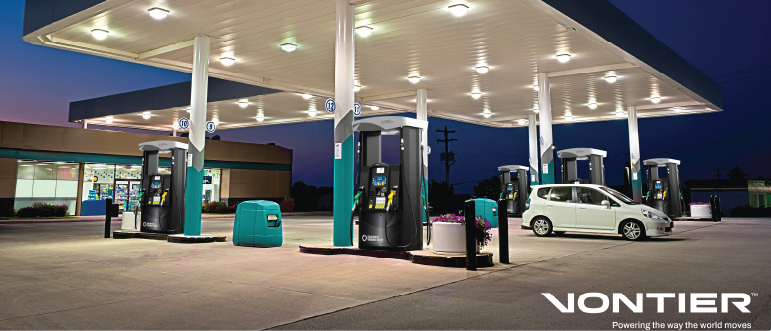
This article is bought to you by Vontier.
The average c-store customer interacts with three to five separate systems during a single visit: the fuel dispenser, a loyalty app, the payment terminal, the foodservice counter and the POS, said Andy Bennett, group president of convenience retail at Vontier. “Each represents a decision point where customers can, and do, abandon the journey. Order food inside? Maybe next time. Use the app? Too complicated.”
The result, he said, is missed revenue opportunities and frustrated customers who expect the seamless experiences they get everywhere else.
“We've asked customers to navigate our operational silos instead of building around their actual journey,” Bennett said. “But imagine if a customer could order a hot sandwich and cold brew through the dispenser screen while fueling, pay for everything in one transaction and walk inside to grab their order, all in four minutes total. No separate app. No second transaction. No friction. This isn't a far-off vision. It's the 2026 convenience store and the technology enabling it exists today.”
The breakthrough comes from rethinking the dispenser not as a fueling device, but as the primary customer interface for the entire visit, Bennett said. By unifying fueling, ordering and payment into a single interaction, “every fuel stop is transformed into a potential foodservice transaction,” he said.
The business case is compelling, Bennett said, noting that in-store purchases drive significantly higher margins than fuel alone, yet most retailers convert less than 50% of fueling customers into in-store buyers. “Unified ordering technology changes the equation by meeting customers where they already are: at the pump. Early implementations show meaningful lifts in foodservice attachment rates and average transaction values, while reducing the labor friction of managing separate ordering channels.”
And operationally, a unified platform simplifies everything from staff training to payment reconciliation, and loyalty program management: “one interface, one transaction, one streamlined workflow,” said Bennett.
“Advances in dispenser computing power, cloud connectivity and payment processing have converged to make this unification possible at scale,” Bennett explained. “Platforms like FlexPay 6 provide the processing capabilities and open architecture required to integrate traditionally separate systems—fuel management, digital menu boards, mobile ordering and payment—into one cohesive experience.”
The key, Bennett noted, is connectivity. “When your forecourt, foodservice and payment systems communicate seamlessly, you gain real-time inventory visibility, dynamic pricing capabilities and the ability to personalize offers based on actual customer behavior across all touchpoints.”
Consumer expectations aren't static. They're shaped by daily digital interactions from ordering rideshares to streaming entertainment to contactless payments. “Convenience retailers who deliver integrated, frictionless experiences will capture loyalty and market share. Those who don't will watch customers migrate to competitors who do,” Bennett said. “The competitive advantage awaits retailers ready to make every touchpoint an opportunity and every service effortless.”
This is part two of a two-part series brought to you by Vontier. Read more about the technology shaping the future of convenience in part one.
