Connecticut Designates Kratom as a Controlled Substance
Connecticut is the seventh state to designate Kratom as a Schedule 1 controlled substance.
Feb 25, 2026 | 2 min read
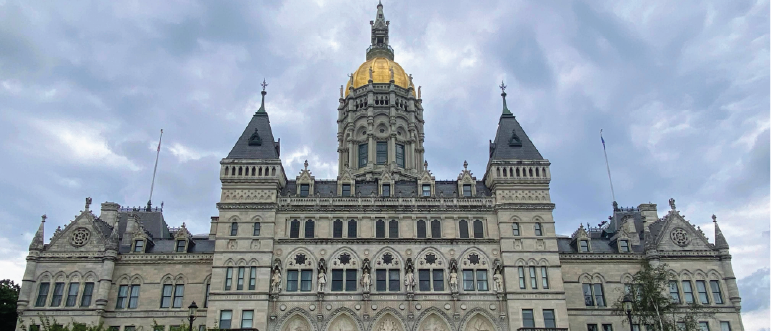
The Legislative Regulation Review Committee of Connecticut unanimously approved regulations Tuesday to update the controlled substance drug schedule for several substances, including Mitragyna speciosa, also known as kratom.
Connecticut is the seventh state to designate kratom and its derivatives, including 7-OH, as Schedule I controlled substances, according to a press release.
“Kratom, which is sold in many different forms including pills, beverages, gummies and candy, powder and in its natural leaf form, currently has no approved medical use. It is not prescribed by physicians and is primarily available for purchase by people of all ages at gas stations and smoke shops, with no regulations, product testing or other consumer protections. Kratom and its derivatives, including the synthetic 7-OH, are sold alongside other drugs included in the law that are known to be harmful and addictive, creating a public health concern,” the announcement said.
In July 2025, the U.S. Food and Drug Administration (FDA) recommended a scheduling action to control certain 7-hydroxymitragynine (also known as 7-OH) products under the Controlled Substances Act (CSA).
The recommendation followed what the FDA said was a thorough medical and scientific analysis and is one of several FDA efforts to address its concerns around the growing availability and use of 7-OH opioid products. There are no FDA-approved 7-OH drugs, 7-OH is not lawful in dietary supplements and 7-OH cannot be lawfully added to conventional foods, FDA said at the time.
The Ohio Board of Pharmacy previously issued an emergency ruling banning synthetic kratom products in the state for 180 days in December 2025. The emergency ban will expire on June 10, 2026. The Board said it will propose a permanent rule to ban kratom-related products at that time.
