SNAP Restrictions Raise Implementation Questions
USDA’s previously released guidance does not clarify the definition of ‘candy’ or ‘soda.’
Feb 02, 2026 | 3 min read
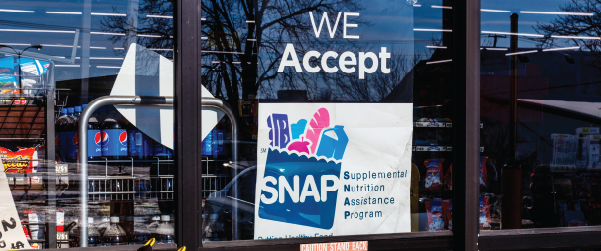
In December 2025, the U.S. Department of Agriculture (USDA) Food and Nutrition Service released long-awaited guidance detailing how it will enforce SNAP food restriction waivers.
USDA approved waiver requests in 18 states to prohibit the purchase of foods such as candy and sugar-sweetened beverages with SNAP benefits. The guidance outlines a federal compliance and penalty framework that will apply to all SNAP-authorized retailers in states with approved waivers.
Eighteen states have adopted new SNAP restrictions and more could do so soon. The limits vary widely by state, and SNAP retailers said that determining which products are SNAP eligible and which are not has become a complex undertaking, wrote The Wall Street Journal.
For example, a SNAP customer in Idaho would be allowed to buy a chocolate-covered cookie candy bar (because it contains flour), but not a milk-chocolate bar (because it does not contain flour). The same customer could buy both products across the border in Utah, and neither if they traveled to Arkansas.
The first restrictions took effect on January 1 in five states: Indiana, Iowa, Nebraska, Utah and West Virginia. At least 13 more states will follow suit in the coming months, per The New York Times report.
Historically, SNAP recipients have only been barred from buying goods such as alcohol, tobacco, supplements, hot foods and live animals.
USDA in December offered retailers a 90-day grace period before they would be subject to compliance investigations. It offered no official guidance on what counts as “candy” and “soda.” If retailers are found out of compliance twice after the 90-day grace period, their SNAP license could be withdrawn.
“Layering a two-strike penalty structure on top of a state-by-state patchwork of definitions is a recipe for confusion,” said Margaret Mannion, director of government relations for NACS. “Retailers are being told they’ll face serious consequences without clear guidance from USDA on what products are actually prohibited.”
Mike Wilson, chief operating officer at convenience chain Cubby’s, told WSJ he worries that an employee will accidentally sell a banned item to a SNAP customer, jeopardizing a given store’s eligibility to participate in the program.
Wilson said he could withdraw from the SNAP program, but many of his stores operate in rural areas with few retail options.
“In many of the rural communities in Nebraska and Iowa that we serve, Cubby's Inc. isn’t just a convenience store—it’s the grocery store. That reality raises the stakes and makes these changes more than a compliance issue; they’re a community issue. Regardless of where you land on the policy itself, implementation matters. The people navigating it every day matter,” Wilson said in a LinkedIn post.
Mannion added: “It’s not the governor who is going to be standing behind the counter explaining the changes. It’s going to be an 18- or 19-year-old employee explaining complex changes to this system.”
NACS is continuing to engage with USDA to clarify additional enforcement details and assess the guidance’s impact on SNAP retailer participation. Resources can be found here.
