NACS, NGA Urge USDA to Clarify SNAP Restriction Enforcement
Associations warn unclear guidance and harsh penalties could jeopardize SNAP food access.
Jan 08, 2026 | 2 min read
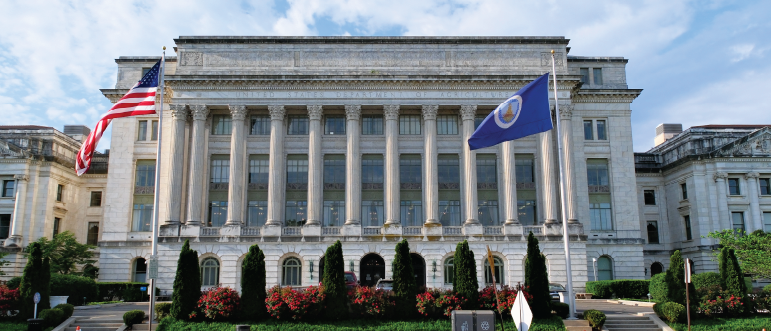
NACS and the National Grocers Association (NGA) joint letter on Wednesday, January 7, to the U.S. Department of Agriculture (USDA) requesting additional clarification on the agency’s recently issued guidance governing enforcement of state SNAP food restriction waivers.
In the letter, the associations thanked USDA for providing a 90-day grace period before enforcement begins but raise serious concerns about the two-strike enforcement framework outlined in the December 30, 2025 memo. Under that framework, retailers could face involuntary withdrawal from SNAP following a second violation, a penalty NACS and NGA warn could have significant consequences for food access.
“Retailers are working to restrict tens of thousands of items in each affected state, and despite best efforts, occasional discrepancies are unavoidable,” the associations wrote. “We believe this structure does not adequately account for the inherent complexities retailers face in implementing these restrictions.”
NACS and NGA emphasized that frequent changes in product formulations, package sizes, labeling and seasonal offerings make flawless execution nearly impossible, even with robust compliance efforts. The letter urges USDA to clearly distinguish between retailers intentionally violating the rules and those making sincere, good-faith efforts to comply.
The associations also warned that involuntary withdrawals could eliminate SNAP-authorized retailers that are often the only source of food access in rural, underserved or low-income areas, forcing SNAP participants to travel miles to redeem their benefits.
In addition, NACS and NGA called on USDA to provide clearer guidance around product definitions and the use of universal product code (UPC) lists, noting that thousands of unresolved questions remain, particularly for private-label and locally sourced items.
“Without clear, consistent guidance from USDA, retailers are left navigating ambiguity with significant penalties on the line,” the associations stated. “Retailers acting in good faith should receive education and corrective guidance before facing warnings that could lead to expulsion from the program.”
NACS is continuing to engage with USDA and will provide updates as they become available.
