NYT: Consumers Seek Out THC Beverages for Dry January
The THC beverage market is expected to reach ‘around $4 billion by 2028.’
Jan 27, 2026 | 3 min read
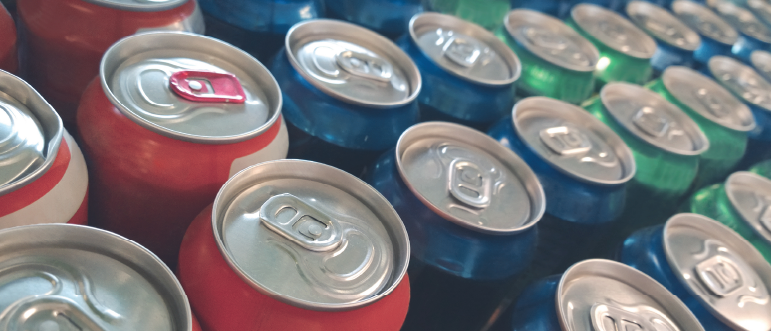
Some dry January participants are looking to THC beverages as an alternative, reported The New York Times.
For the last three years, alcoholic beverages have rebounded slowly at the end of dry January, ‘signaling a sustained lifestyle shift rather than a temporary post-holiday reset,’ the research firm Numerator wrote this month.
“But sales of mocktails, seltzers and teas containing tetrahydrocannabinol, or THC, have surged since their introduction a few years ago. Amid increased consumer demand and legalization of the cannabis-derived drinks, major retailers like Target, Sprouts and Circle K and national liquor stores are putting the beverages on their shelves,” the NYT wrote.
During Dry January, 49% of Gen Z and Millennial participants are more likely to purchase THC, CBD or tobacco products, Numerator reported. Additionally, lower-income households are 33% more likely to consume more THC products.
“The growth in the category has been explosive for us,” Blake Leonard, a member of the family that runs Stew Leonard’s grocery store, and president of Stew Leonard’s Wine & Spirits, told NYT. The retailer has reportedly removed pallets of beer to make way for THC beverages. Three years ago, Stew Leonard’s carried fewer than 10 of these brands. Today, it offers up to 75, Leonard said, estimating that sales at Leonard’s are 25% higher this January than last year.
Last year, sales of THC beverages were roughly $850 million, according to the data firm Future Markets Insight, and are expected to reach around $4 billion by 2028.
“Our THC beverages, as well as nonalcoholic drinks, are two of our highest-growth categories,” said Andrea Starr, a senior director of merchandising for THC drinks at Total Wine & More.
“Manufacturers say interest in THC beverages is coming not only from early adopters like millennials and Generation Z, but from women, and particularly older women, who are trying them amid concerns about alcohol and its links to various diseases,” wrote the Times.
For c-store operators, the hemp-derived THC category could offer significant sales and growth opportunities, particularly in states that have passed legislation to regulate these products.
Read more about intoxicating hemp beverages in “A Seed of Opportunity” from the August 2025 issue of NACS Magazine.
Last November, the Senate passed legislation that effectively bans intoxicating hemp beverages later this year. This month, Indiana Congressman Jim Baird introduced legislation to delay the ban on these products, proposing to push the ban’s enactment to November 2028.
In a recent update, last week, U.S. Congressman Morgan Griffith (R-VA) and U.S. Congressman Marc Veasey (D-TX) introduced the Hemp Enforcement, Modernization and Protection (HEMP) Act in Congress.
The HEMP Act proposes that the FDA initiate a rulemaking process to set milligram limits on intoxicating hemp beverages and CBD products. If the FDA fails to release a final rule within three years of the measure’s enactment, federal law will automatically establish CBD intoxicating limits of 5 milligrams per serving and 30 milligrams per package.
Category Management
