How QR Codes Help Find Missing Kids
Technology can have a real impact on bringing missing kids home.
Nov 25, 2024 | 2 min read
By Jeff Lenard
Remember the Milk Carton Kids campaign from the 1980s? As cumbersome as printing the faces of missing kids on milk packaging may seem today, it was one of a few options available to bring awarness to the public.
Missing children campaigns have since evolved from printed materials, which the public typically received through standard mail. Today, advances in technology and more communications capabilities are proving to be viable tools for reuniting missing children with their families—and convenience retailers can help.
From Milk Cartons to QR Codes
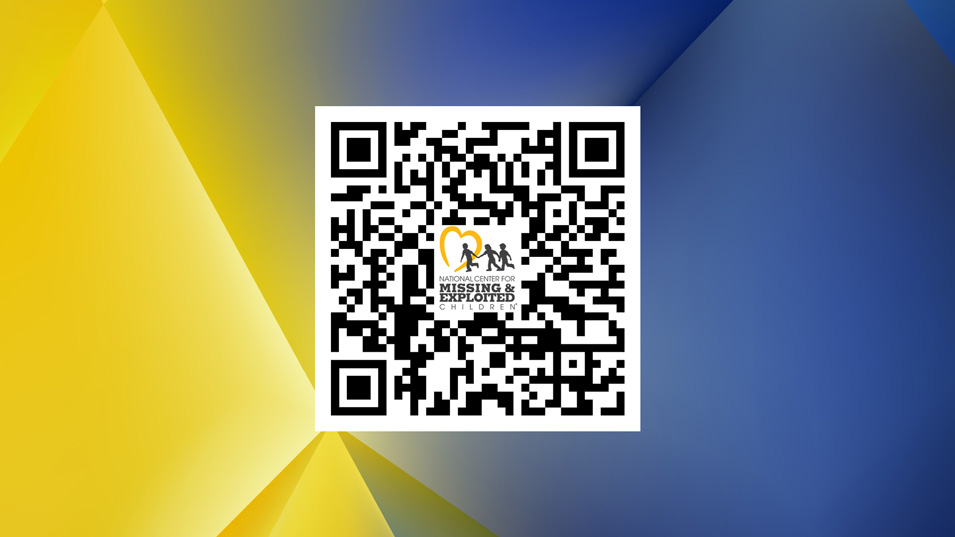
When the Milk Carton Kids campaign began in 1984, the National Center for Missing and Exploited Children (NCMEC) was a new organization. Fast-forward to today, NCMEC is using a digital tool that became popular during the Covid-19 pandemic: QR codes.
When scanned, these codes display information about missing children within a 50-mile radius of the user’s location. This allows for swift dissemination without geographical limitations and improves the likelihood of identifying and recovering missing kids.
"It’s an easy way for us to make sure that the public sees [photos of] kids who are missing in their area, or where we believe those children may be,” said Gavin Portnoy, vice president, communications and brand, NCMEC.
The Role of Retailers
Convenience stores are located in nearly every community throughout the U.S., many of which are open 24 hours a day, 7 days a week. These extended hours of operation make c-stores well-positioned to play a positive role in the NCMEC campaign.
NCMEC also partners with GSTV to display missing children's photos on dispenser screens. Of the 700 missing children cases displayed, “more than 500 of those kids have come home due in large part to somebody seeing a kid's photo and calling in and making sure the child came home safely,” said Portnoy.
He also mentioned that of the nearly 29,000 children who went missing last year, 90% of them returned home safely thanks to assistance from the public and efforts by law enforcement.
QR codes and new technologies are not without their challenges, as predators also exploit the same type of advancements. Therefore, staying vigilant and informed can help keep children safe, and convenience stores can help strengthening these protective measures.
Hear more about NCMEC's work to bring missing kids home and how you can help in our conversation with Portnoy in this Convenience Matters podcast: conveniencematters.com.

Jeff Lenard
Vice President Media & Strategic Communications
NACS
(703) 518-4272
Jeff Lenard oversees industry-wide external communications campaigns to advance the role of convenience stores as positive economic, social and philanthropic contributors to the communities they serve. He also serves as lead spokesperson and has conducted more than 6,000 media interviews about trends and innovations at convenience stores. In addition, he is the creator and co-host of the association’s award-winning weekly podcast, Convenience Matters.
Prior to joining NACS in 1999, Lenard served in communications and marketing functions for several energy-focused associations. He earned a B.S. in mechanical engineering from Worcester Polytechnic Institute and an M.B.A. in marketing from Syracuse University.
