DoorDash Lets Stores Set 15%, 25% or 30% Commissions
The new tiered system is in response to pushback over fees restaurants paid during the pandemic.
Apr 28, 2021 | 2 min read
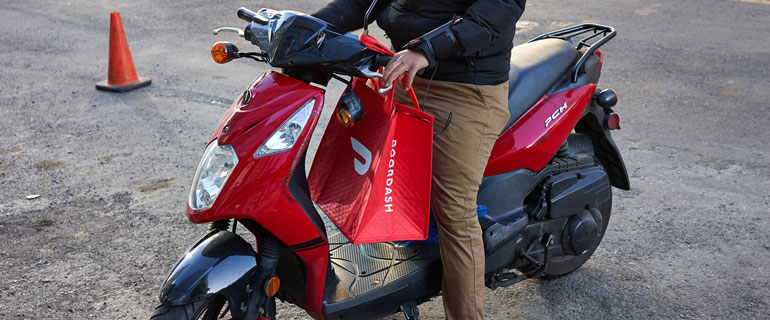
SAN FRANCISCO—DoorDash has shifted its business model to give restaurants and convenience stores a choice in commission rates, the Wall Street Journal reports. The change comes after eateries complained about high fees for delivery during the pandemic.
Starting yesterday, the company now gives businesses three commission rates from which to pick: 15%, 25% or 30%. DoorDash gives different marketing and product support depending on which fee level is selected. The delivery service now has close to half the U.S. food delivery pie, up from a third pre-pandemic.
Smaller restaurants complained the most over the high fees, while some major cities—including Seattle, San Francisco and New York—passed caps on what delivery apps could charge foodservice clients. “This is us listening to our merchant partners and making adjustments,” said DoorDash COO Christopher Payne about the new fee structure. “Essentially we’ve been learning together about what restaurants need and testing our way into what the next phase of pricing should be.”
Food delivery companies adjusted commissions during the early days of the pandemic, with several deferring or waiving fees, but all returned to business as usual in the summer. Many foodservice operators, their margins disappearing under high commissions, turned to other delivery options. Some of the larger chains have invested in high-tech pickup services or running delivery with restaurant staff.
DoorDash plans to raise delivery fees for consumers to offset lower commissions. “Would that negatively impact order volume? Yes, it will,” Payne said. “Delivery is a very cost-intensive service… so we need to blend the economics on the consumer side and merchant side in order to make the overall system economics work.”
To see how convenience stores have been providing last mile services, be sure to check out “Covering the Last Mile” in NACS Magazine.
Food prepared on-site
