Display of Power
Smart merchandising can grab customers’ attention and drive bigger baskets.
Sep 09, 2026 | 3 min read
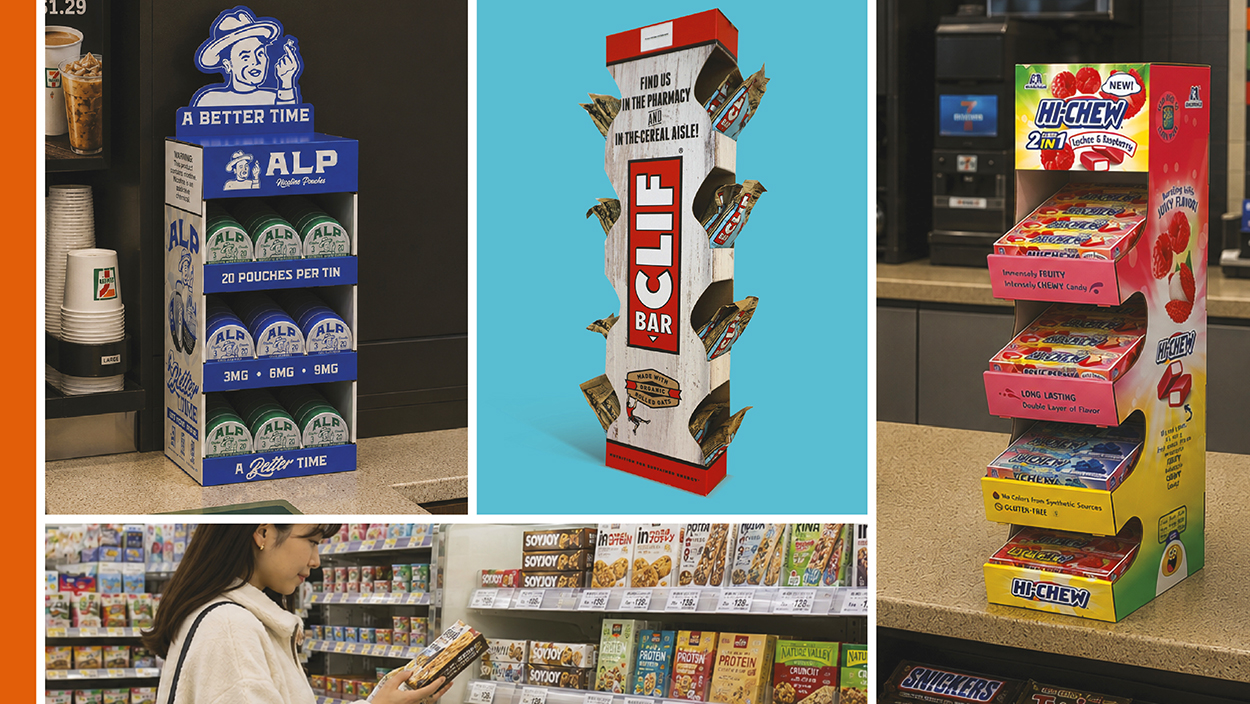
This article is brought to you by Bay Cities. 
The average visit to a convenience store only lasts around three or four minutes. Shoppers are often moving quickly or entering the store with a specific goal, whether that’s grabbing a coffee or making a quick stop in the restroom. So how can retailers get the attention of a customer on a mission?
“Effective merchandising can interrupt that routine in a positive way,” said Sahar Mehrabzadeh, chief revenue officer at Bay Cities. “It can help shoppers discover something they hadn’t planned to purchase, introduce a new product, connect complementary products or create relevance around a particular occasion.”
But simply putting more products in front of that shopper does not automatically lead to an increased basket size, Mehrabzadeh added. The assortment of items has to make sense and the products need to be easy to shop.
“The connection between them should be immediately clear,” Mehrabzadeh said. “When those elements work together, merchandising can turn a one-item trip into an opportunity for additional purchases.”
The company has a long history with this kind of merchandising design. “For over 70 years, Bay Cities has helped brands win at retail—not just designing packaging and displays, but executing them in stores, at scale, for major retailers,” Mehrabzadeh said. “Decades of managing multivendor programs have taught the company how to keep complex efforts on track, from coordinating timelines across suppliers and meeting each retailer’s requirements to consolidating products so everything arrives ready to merchandise. That experience is what makes the process feel simple for the brands and retailers involved.”
Before working with a merchandising partner, she said, retailers need to think about their shoppers and their business objectives. “Is the objective to introduce a new product?” Mehrabzadeh said. “Increase basket size? Support a promotion? Own a seasonal occasion?”
The answer to those kinds of questions can influence everything from placement and product assortment to graphics and messaging.
“A display needs enough creativity to earn attention without becoming so complicated that the message gets lost,” Mehrabzadeh said. “Does it make someone stop and engage and ultimately make the purchase? The product should remain the hero and shoppers should be able to quickly understand what is being offered and why it is relevant to them.”
Multivendor merchandising is especially complex: different suppliers, delivery schedules, and retailer requirements all have to come together in time and in compliance.
“Having one partner manage the program from design through manufacturing, consolidation, pack-out and distribution helps create consistency and accountability,” she said. “It gives participating brands confidence that their products and brand standards will be represented appropriately, while giving the retailer a single point of coordination for the overall program.”
Good merchandising isn’t just a creative display. It has to earn attention, be easy to shop, execute correctly at every retailer and ultimately drive sales. That combination is what separates a display that performs from one that just looks good.
This article is the first in a two-part series from Bay Cities. Look out for part two, which will explore the benefits of sustainable packaging and display materials.
Merchandising
