4 Foodservice Strategies From McLane Engage 2026
From trending flavors to waste reduction, these strategies can help retailers optimize their foodservice programs.
Sep 30, 2026 | 4 min read
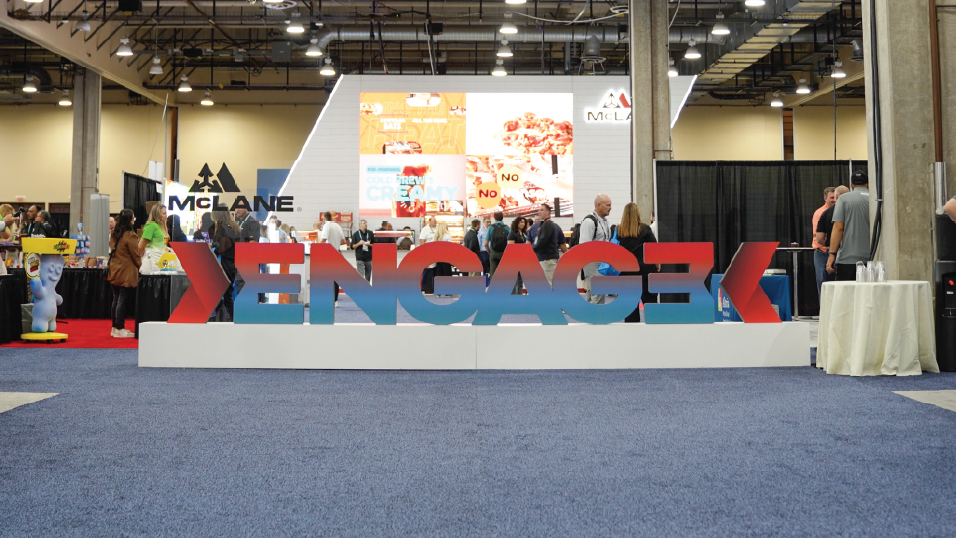
As consumers look for bolder flavors, more customization and higher-quality meal options, convenience retailers must balance innovation with the realities of running a profitable program.
At McLane Engage 2026 in August, NACS spoke with Farley Kaiser, vice president, retail foodservice at McLane Company about the ways operators can maximize and grow their foodservice programs, from tapping into growing flavor trends to reducing waste.
- Follow the Flavor Trends
As much as everyone wants to get ahead of the next great flavor trend, Kaiser noted that there are still many “tried and true flavors that have staying power.”
Spicy flavors, for example, continue to resonate with consumers. “Spicy isn't going anywhere. It's just taking different forms,” she said. "We're still seeing sweet heat and things like hot honey [continue to] be popular.” At the event, McLane debuted a HiBird Chicken Sandwich with Mike’s Hot Honey.
She also noted that consumers are increasingly interested in globally influenced flavors across categories. "On the global spice side, chili crisp has become really popular. You're seeing it in honey and you're seeing it in ranch. There are so many different applications.”
Spices are also evolving to take different forms. Tajin, for example, is not a new spice, but has found new and innovative uses, such as on the rim of mangonada beverages, she said. “That’s already a loved flavor, and it’s crossing over into other categories.”
At the same time, social media is accelerating demand for new flavor experiences and customization, and as value continues to drive purchasing decisions, food options need to check multiple boxes.
“If you're going to spend money on a meal, you want to know that you can get it with a fun flavor that you've been wanting to try, maybe that’s been hyped up on Instagram and social media. The customer is also looking for customization to make foods match their lifestyle, and they want that food to be high quality. There is a lot that is going into them spending money,” Kaiser said.
- Find New Uses for Popular Favorites
Sauces are the “flavor carrier that is worth the investment for new innovation,” she said, noting that operators can capitalize on in-demand flavors by changing how they’re applied to the menu. Peppers, sauces and flavor-packed toppings can help add variety without significantly increasing complexity. Rather than creating entirely new products, retailers can build variety around items they already sell.
“You’re not changing the protein or the carrier, you’re just adding on something that you can customize easily,” said Kaiser. “You can have a chicken sandwich that has five different flavor customizations. Sauces also make a lot of sense from a packaging and space-saving aspect in retail stores.”
- Reduce Waste to Maximize Profit
Flavor and exciting menu additions may attract customers, but profitability also comes down to managing waste.
Pizza is a c-store foodservice staple, but Kaiser said traditional pizza programs can sometimes leave operators throwing away unsold slices.
“Most retailers have a pizza program, but very few have a way to control waste—they might be throwing three to four slices of every pie in the garbage.”
McLane developed its Prendisimo: Duo Slice Pizza format, a parallelogram shaped pizza that can be cooked and then cut into two slices, allowing retailers to produce smaller quantities at a time.
"Instead of cooking six or eight slices, you're cooking two slices," Kaiser said. This not only reduces waste, she said, but also allows operators to offer more toppings and flavors at once and replenish inventory more quickly during busy peak hours. “You can put three different flavors in the same retail space that you would have needed for an entire pie.”
- Work With What You Already Have
Not every retailer has the same equipment, labor model or level of foodservice expertise. That's why Kaiser recommends building programs around existing store capabilities.
“Not every innovation is going to work in every piece of equipment. At McLane, we’ve tried to create a well-rounded solution with our foodservice offers," she said.
Kaiser also emphasized the importance of simplifying execution for store teams through training and operational support.
"We train our internal teams, we train operators, and we also have field trainers that can go into the stores to train staff," she said.
The company’s operational support can include helping retailers establish standard operating procedures, ensuring equipment is programmed correctly and helping maintain food-safety standards.
The goal, Kaiser said, is to create foodservice programs that are practical to execute and sustainable over the long term.
Food prepared on-site