Hybrid Sales Surge, but America's Vehicle Fleet Is Changing Slowly
Experts at the NACS Future of Mobility Summit will examine what this means for fuels sales.
Nov 12, 2026 | 2 min read
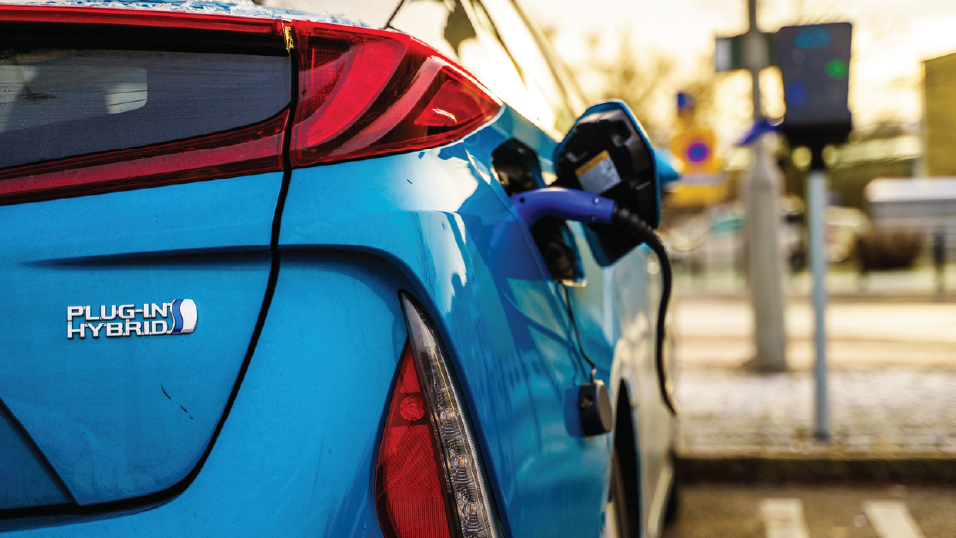
Hybrid vehicles have increased their U.S. market share quickly, but what consumers are buying and what they are driving still remain two different things.
According to data analyzed by the Transportation Energy Institute (TEI), hybrid (HEV) sales accounted for 15.6% of all light-duty vehicles sold through October 2026, compared with a market share of just 3.1% in 2020. Despite this growth, however, the U.S. Department of Energy’s Annual Energy Outlook 2026 reports that HEVs represented only 3.5% of vehicles in operation in 2025.
There were nearly 299 million registered vehicles in the United States in 2025. TEI analysis found that 97.2% of vehicles sold between 2013 and 2025 had an internal combustion engine, and half of light-duty vehicles sold today could remain on the road for 16 years.
“This is an example of the size of the U.S. vehicle market and how long it takes for a new technology to gain market share,” said Transportation Energy Institute Executive Director John Eichberger.
Affordability issues could also further slow fleet turnover. The average new light-duty vehicle price was $52,000 in early November, according to TEI. Higher prices tend to reduce vehicle sales and extend vehicle ownership, slowing down the rate at which new technology changes the overall fleet.
For retailers evaluating future transportation demand, it’s important to look at more than just vehicle sales. Economic conditions, and what types of vehicles are entering and leaving the fleet in the markets surrounding individual stores, will also be important to making decisions about what fuel infrastructure or EV charging equipment is necessary.
Continue the conversation at the NACS and TEI Future of Mobility Summit. The event takes place December 2-3, in Charlotte, North Carolina, and is designed around multi-energy reality, bringing senior decision makers together to turn changes in fuels, vehicles and technology into investment strategies and new revenue models for the forecourt.
