President Trump Extends Jones Act Waiver
The 90-day waiver narrows the permitted commodity scope to agriculture and energy-related products, including gasoline, jet fuel, crude oil and more.
Aug 11, 2026 | 2 min read
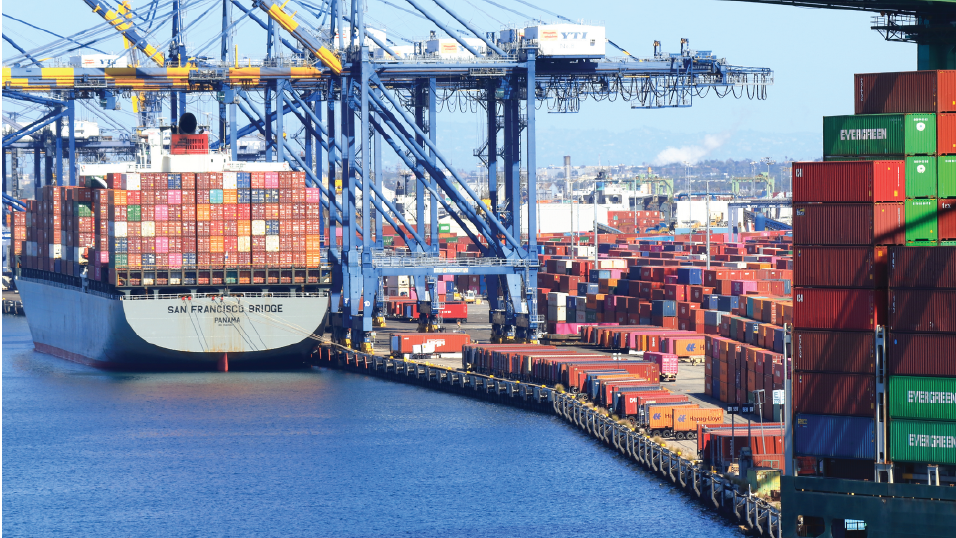
On Monday, President Donald Trump extended the current Jones Act Waiver for 90 days, which allows foreign ships to transport goods, including oil, fertilizers and other fossil fuel products, among U.S. ports. The extension will become effective on August 17.
He first waived the Jones Act—a 1920 law which requires ships that transport goods between two U.S. ports be U.S.-flagged ships built in the U.S. and with American crews—in March for 60 days, followed by a 90-day extension in May, in an effort to ease fuel pricing pressure stemming from the war in Iran.
The extension however does come with new limitations, primarily that the Pentagon must now consult with the U.S. Maritime Administration on the availability of U.S.-flagged, -owned, and -operated vessels before determining whether the waiver applies to a given voyage. Individual voyages will now be reviewed one at a time. The waiver now also applies only to energy and agriculture products, including gasoline, diesel fuel, jet fuel, crude oil, naphtha, liquefied natural gas, soy oil and fertilizers, and reduces the number of goods from the hundreds previously covered.
Taylor Rogers, a White House spokeswoman, said the administration extended the waiver “to ensure our military and key industries maintain uninterrupted access to critical resources.” Rogers added that the waiver has increased domestic deliveries of gasoline, diesel and jet fuel, according to the Associated Press.
