Inflation Hits the Menu
How restaurant chefs are rethinking price, portions and value.
Jun 02, 2026 | 3 min read
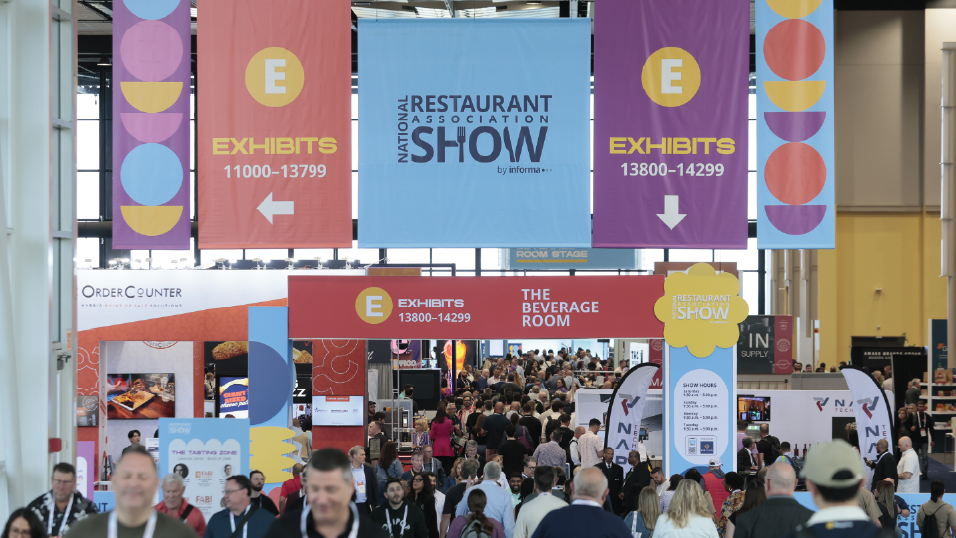
From navigating supply chain complexity and rising costs to inflation and shifts in overall consumer sentiment, operators across the food retail and restaurant industries are making tough choices for their menu strategies to protect margin.
A 2026 National Restaurant Association report found that “lingering inflation and a cooling labor market are tightening household budgets, particularly among low- and middle-income consumers.” In response, operators are focusing on creativity and deploying technology to deliver value—topics which were addressed by two restaurant chefs at the association’s 2026 National Restaurant Association Show in Chicago in May.
Since 2020, food and labor costs have climbed roughly 35% in an industry that typically operates on slim 3% to 5% margins, forcing menu prices upward by more than 30%.
“It’s the convergence of what’s happening right now in our industry,” said Matt McMillin, chief culinary officer at Cooper’s Hawk Winery & Restaurants. “I’ve never in my many years in this business seen the convergence” of inflation, pandemic disruption and shifting consumer behavior, he explained.
Citing what he calls “check creep,” McMillin said pricing changes tend to be gradual instead of one big jump. “It’s $1 on an appetizer, and it’s $1 or $2 on a beef dish,” he explained. “All of a sudden, [a] guest comes in… and their check is $5 to $10 more than it was.”
Over time, incremental increases can impact guest perception just as much as large price swings, prompting operators to rethink not only pricing, but the entire menu experience, from portion sizes to overall value.
Portion size has become a strategic lever for managing costs, especially as consumer habits evolve. Changing eating patterns are also influencing menu decisions—as well as how much people are dining out—with some consumers ordering less, skipping the add-ons and forgoing dessert. These changes are causing many restaurant operators to rebalance perceived value with profitability.
For quick service restaurants, the challenges and pressures are the same but require a different playbook. Dan Follese, managing director at ACF Culinary Consulting Cooperative, noted that the national chain operators “have quickly pivoted to the value menu again” alongside higher-margin items to serve multiple customer segments.
As dining away from home becomes more expensive, both chefs agreed that experience is a huge differentiator. From service to restaurant atmosphere, every element contributes to whether a customer feels the visit was worth the price.
“If you’re going to spend the extra dollars, you want to feel good about it,” Follese said, emphasizing the role of hospitality alongside food quality.
The bottom line, they said, is that inflation has more impact than prices alone—it’s reshaping how menus are created and the perceived value among guests.

Chrissy Blasinsky
Digital & Content Strategist
NACS
Chrissy Blasinsky is the digital and content strategist at NACS. She has been with the organization for over 21 years. She joined NACS as the manager of communications and as managing editor of NACS Magazine. She transitioned to the strategic communications team and works with a diverse team on social media and content strategy for NACS communications platforms. Chrissy also manages the NACS Ideas 2 Go video series that debuts each year at the NACS Show, and serves as a subject matter liaison on industry topics related to foodservice, inside merchandise and food safety.
