The Regulatory and Societal Shifts Disrupting Foodservice
From MAHA and the new food pyramid to protein, operators and consumers navigate new priorities and ingredient changes.
Jul 02, 2026 | 3 min read
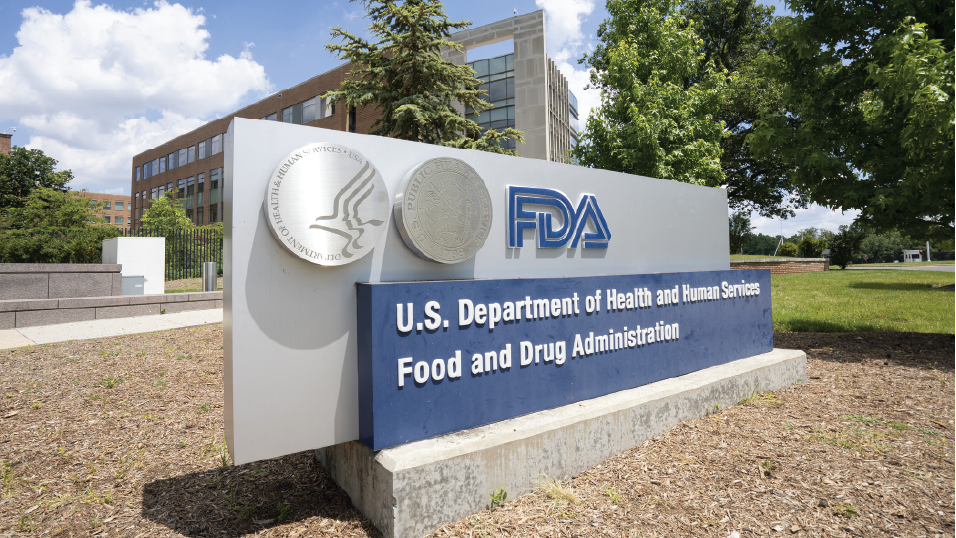
During an education session at the 2026 National Restaurant Association Show, attendees heard more about the Make America Healthy Again (MAHA) agenda that is driving a shift in regulatory priorities within the Food and Drug Administration (FDA).
Christine Clutter, senior research analyst at Technomic, shared 2025 Technomic Foodservice Planning survey findings that many operators (65%) were not highly concerned about MAHA-related changes to the ingredients that could be banned, citing a lack of consumer demand. “They’re not hearing from their customers that this is something they should be prioritizing,” she said.
The current process to remove petroleum-based synthetic dyes from food is voluntary; however, the FDA could choose to pursue formal action if the process stalls. The FDA updated its labeling policy in February 2026 to allow products without petroleum-based dyes to make “no artificial colors” claims.
The FDA is also increasing its food-additive oversight through Generally Recognized as Safe (GRAS) reform. The current voluntary GRAS notification program allows companies to introduce certain food ingredients without formal FDA premarket approval, provided they meet the safety standard. A formal proposed rule is expected this year. The change would not ban certain ingredients, just change how they’re reviewed.
Clutter added that some restaurant operators and manufacturers are responding to the MAHA agenda by reviewing menus, emphasizing ingredient transparency and making formulation changes. Steak ’n Shake, for example, is transitioning away from seed oils and hired Michael Boes, a former Department of Health and Human Services advisor, as its “chief MAHA officer.”
New dietary guidelines are also creating mixed signals for consumers and operators. The food pyramid, which has remained largely unchanged since 1992, now emphasizes protein, healthy fats and “real” foods, while discouraging added sugars and highly processed foods.
For operators, the challenge is balancing consumer interest with operational realities—and knowing that what consumers say they will buy isn’t necessarily what they actually buy.
Consumer expectations for what they consider “healthy” are also changing. They’re moving away from calorie and low-fat claims to foods that are real, wholesome and made with clean ingredients. “Moving toward a more modern view of health that has to do with real ingredients that benefit more than just your physical health presents a major opportunity for operators who can deliver on a real and wholesome promise,” said Clutter.
No conversation about food can avoid protein, which has expanded across multiple in-store categories, from snacks to beverages. “Consumers are looking for protein in things that they didn’t necessarily look at before, like their morning coffee,” she said. Starbucks, for example, added a line of protein cold foams and lattes to its menu.
“The whole point is this: Consumers are just looking for transparency to know what’s in their food,” Clutter said.
Healthy options

Chrissy Blasinsky
Digital & Content Strategist
NACS
Chrissy Blasinsky is the digital and content strategist at NACS. She has been with the organization for over 21 years. She joined NACS as the manager of communications and as managing editor of NACS Magazine. She transitioned to the strategic communications team and works with a diverse team on social media and content strategy for NACS communications platforms. Chrissy also manages the NACS Ideas 2 Go video series that debuts each year at the NACS Show, and serves as a subject matter liaison on industry topics related to foodservice, inside merchandise and food safety.
