What Convenience Retailers Need to Know About SNAP
With the future of the Farm Bill uncertain, NACS will continue to advocate for a six-month delay in enforcing retailer stocking requirements.
Aug 10, 2026 | 5 min read
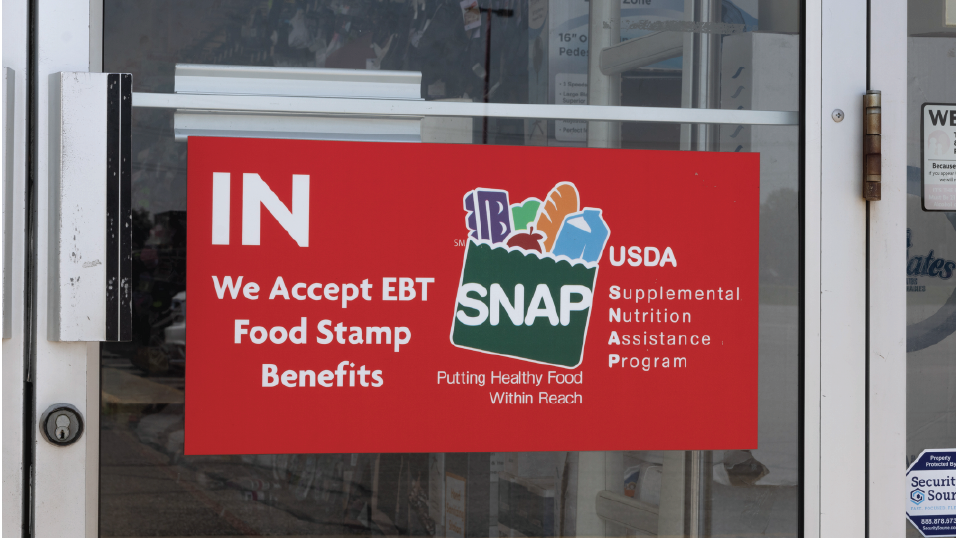
The U.S. Department of Agriculture’s (USDA) new SNAP retailer stocking requirements, which take effect November 4, represent the most significant change to SNAP eligibility standards in more than a decade.
Last week the U.S. Senate Committee on Agriculture, Nutrition, and Forestry did not secure enough votes to advance the Farm Bill, which includes the SNAP program. A proposed amendment by U.S. Sen. Jim Justice (R-WV) sought to delay enforcement of the SNAP retailer stocking requirements until six months following the publish date of USDA’s guidance.
While movement on the Farm Bill is delayed, NACS advocacy and education efforts regarding SNAP, including the stocking requirements rule, continue.
During a recent NACS webinar, Doug Kantor, NACS vice president of government relations and general counsel, and Margaret Mannion, NACS director of government relations, walked NACS members through the rule’s major changes, areas of uncertainty and ongoing advocacy efforts.
Additionally, they are calling on NACS members to sign onto an industry letter to USDA formally requesting a delay in enforcement of the final rule, as guidance on the rule has not yet been published. If you are a SNAP retailer, view the letter and add your company name to the list of signatures
From Three Varieties to Seven
The rule implements a congressional mandate from the 2014 Farm Bill that increases SNAP stocking requirements from three varieties to seven varieties of food in each of four staple food categories: dairy, grains, fruits and vegetables, and protein. Retailers will need to stock at least three units of each qualifying variety, and at least one variety in three of the four categories must be perishable.
While Congress originally directed USDA to increase the variety requirement years ago, Kantor explained that a 2016 rule would have made compliance nearly impossible for many convenience retailers. Since then, Congress has repeatedly blocked the increase from going into effect until USDA developed a more workable definition of “variety.”
Understanding USDA’s New Variety System
USDA’s new three-tiered system for defining staple food varieties is a challenge for retailers. The rule divides products into three groups:
- Single-ingredient varieties, such as shell eggs, raw meats, flour and raw grains.
- Derivative food product varieties, such as bread, pasta, cereal, yogurt and cheese.
- Shelf-stable varieties, including canned meats, shelf-stable and powdered milk.
The distinction matters because products that may appear similar can count differently. For example, plain chicken and seasoned chicken can count as separate varieties, while wheat noodles and rice noodles are considered the same variety because they fall into the pasta category. Shelf-stable products can also count separately from fresh versions of the same food.
Throughout the webinar, Kantor and Mannion acknowledged that the rule is unusually complex and that USDA should provide additional guidance so retailers can fully understand how certain products should be classified.
New Flexibility, But Also New Restrictions
Mannion highlighted several changes that could benefit convenience retailers. USDA expanded the list of products that can qualify toward stocking requirements, including plant-based dairy alternatives, nuts, seeds and additional protein options. The agency also clarified that cut or sliced fruits and vegetables prepared in-store can count toward stocking requirements, which is a change that NACS advocated for.
At the same time, the rule removes some products from consideration. Jerky and butter are now categorized as accessory foods and can no longer count toward stocking requirements. Other accessory foods include snack foods, candy, most beverages, condiments and cooking ingredients.
Prepared Foods Remain a Compliance Challenge
A highly discussed topic during the webinar focused on prepared foods. SNAP retailers still cannot use hot or cold prepared foods to satisfy stocking requirements.
USDA defines cold prepared foods as items made by the retailer on-site, sold cold and ready for immediate consumption. Examples include sandwiches, fruit cups, salads and prepared meat platters.
Uncertainty remains regarding products prepared off-site, such as commissary-made sandwiches and salads. Many attendees raised questions about how these products will be treated, underscoring the need for additional USDA guidance.
Enforcement Questions Remain
The rule states that USDA inspectors can review stocking compliance during SNAP authorization reviews and other inspections. If a product temporarily sells out, retailers may be able to demonstrate compliance through invoices and purchase records showing the product was recently ordered. Questions remain, however, about how inspectors will interpret the rule and whether enforcement will be consistent.
Kantor noted that the complexity of the rule could create confusion for both retailers and inspectors, increasing the likelihood of disputes during compliance reviews.
NACS Advocates for More Time
A recurring theme throughout the webinar was the lack of implementation guidance from USDA. Although the rule was published months ago and takes effect on November 4, USDA has not published detailed guidance to help retailers understand how products will be categorized and enforced.
Because of that uncertainty, NACS is urging USDA to delay enforcement until six months after formal guidance is released. The concern is particularly acute for small-format stores, rural retailers and independent operators that may struggle to comply with the new requirements on short notice. SNAP retailers can sign onto an industry letter to USDA formally requesting that delay.
Until USDA releases formal guidance, Kantor and Mannion encourage retailers to stay engaged and share their questions and concerns, which will help shape ongoing advocacy efforts.
SNAP
