In Gas Price Media Coverage, Retailer Voices Shine Through
As gas prices continue to rise, fewer consumers—and media outlets—are blaming retailers for the increase.
Apr 07, 2026 | 3 min read
By Jeff Lenard
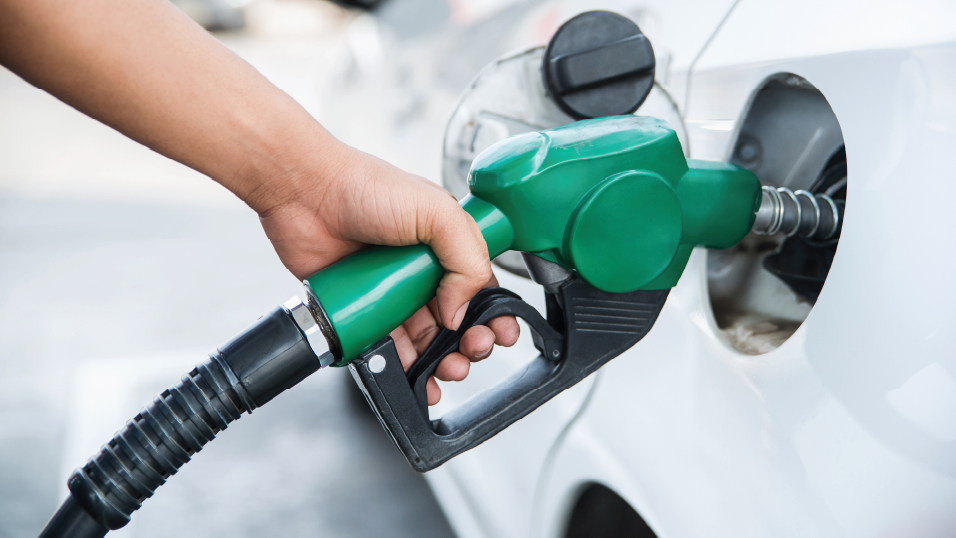
As gas and diesel fuel prices continue to climb and dominate the news cycle, we’ve seen a much more positive media coverage of the dynamics of fuel retailers across the country, especially related to how and why gas prices increase.
“A lot of it is outside the gas retailer’s control… Gas retailers are adjusting the price at the pump to account for the higher price they just paid for their next shipment of gasoline… about 10% [of the cost of fuel is related to] retailers, who still have to pay for transportation, labor and other expenses,” reported the Associated Press (AP).
An excellent overview of the overall market published by Forbes, “America Produces the Most Oil. So Why Are Gas Prices Surging?”, also addressed replacement costs.
“Gas stations aren’t pricing what’s already in their tanks; they’re pricing what it will cost to replace it. Retail fuel is a low-margin business, and station owners have to think about their next delivery, not their last one. If wholesale prices surge and they keep selling at yesterday’s levels, they risk not having enough cash to refill their tanks. So, prices adjust quickly. It may feel unfair, but from the retailer’s perspective, it’s a matter of staying solvent in a volatile market,” Forbes noted.
Wholesale price volatility has also complicated operations for retailers, noted another AP story that referenced NACS-provided data that the average gross margin on fuel over the past five years is 38 cents per gallon.
“[Retailer] profits after expenses often are less than half that... Meanwhile, the daily price for a barrel of oil has swung dramatically during the war with Iran—sometimes by the equivalent of around 40 cents a gallon.”
Meanwhile, the Minnesota Star-Tribune focused on how retailers are engaging with customers who face these higher prices.
“Customers are screaming for help,” said Lonnie McQuirter, who operates 36 Lyn Refuel Station. McQuirter is also a member of the NACS Executive Committee and currently serves as Treasurer.
“We don’t like this any more than the customers do,” said Lance Klatt, executive director of the Minnesota Service Station & Convenience Store Association.
Even a story about the county with the highest average gas prices—currently $6.72 per gallon in Mono County, California—examined the costs behind the prices. Mono County is a rural county located near Yosemite National Park and the Nevada border.
“Rural station owners also don’t sell as much gas—they may sell as much in a month as one in a city or busy suburb might in a day. That means the fixed cost of running a station is spread over a much smaller number of gallons sold… A tanker truck has to drive four and a half hours over 200 miles to deliver gasoline from the closest wholesale terminal in the state to Mono County. That long trip is costly, particularly for gas station owners,” noted CNN.
The NACS Fuels Resource Center contains backgrounders on key messages and data points related to fueling. Please feel free to reference or share with customers on social media or via other communications. And, if you have a good story that you want to share, whether related to news coverage or a customer experience, contact me at [email protected].
Jeff Lenard
Vice President Media & Strategic Communications
NACS
Jeff Lenard oversees industry-wide external communications campaigns to advance the role of convenience stores as positive economic, social and philanthropic contributors to the communities they serve. He also serves as lead spokesperson and has conducted more than 6,000 media interviews about trends and innovations at convenience stores. In addition, he is the creator and co-host of the association’s award-winning weekly podcast, Convenience Matters.
Prior to joining NACS in 1999, Lenard served in communications and marketing functions for several energy-focused associations. He earned a B.S. in mechanical engineering from Worcester Polytechnic Institute and an M.B.A. in marketing from Syracuse University.
