DOL Withdraws Biden-Era Overtime Regulations Appeal
NACS had advocated for the withdrawal of the rule since 2024.
May 06, 2026 | 2 min read
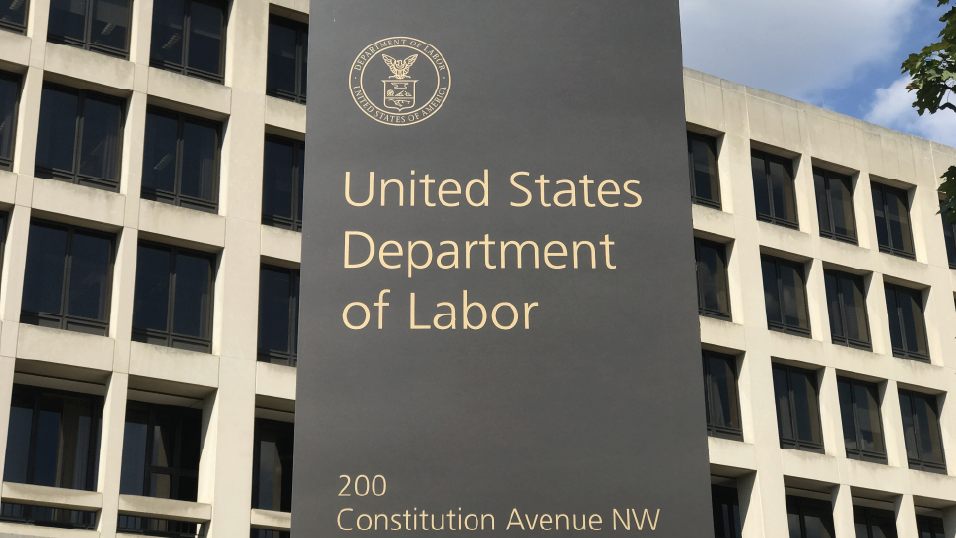
The Department of Labor (DOL) yesterday ended its legal defense of the Biden-era overtime final rule in Flint Ave v DOL, a case before the US Court of Appeals for the Fifth Circuit. DOL issued a joint stipulation with the other parties in the case, putting a formal end to the litigation and allowing the DOL to officially withdraw the appeal.
Under the withdrawn rule, the annualized minimum salary threshold for any worker to be exempt from receiving overtime pay was increased to $43,888 on July 1, 2024, and was then set to increase to $58,656 on January 1, 2025, before it was invalidated. With the 2019 rule back in effect, the threshold is now back to $35,568. The 2024 Rule would have also dramatically changed the methodology DOL used for calculating those thresholds and automatically adjusted them using that new flawed method going forward.
"NACS supports yesterday's action by the Department of Labor. Now, businesses can have more certainty that the Department is regulating based on actual labor market dynamics. We applaud the Administration for getting this right and helping small businesses throughout the country," said Jon Taets, director of government relations at NACS.
In 2024, the DOL under the Biden administration appealed the case to the Fifth Circuit after a Texas district judge ruled the new 2024 overtime regulations rule was unlawful, but the case was delayed while the DOL under the Trump administration reconsidered the policy. The Trump-era 2019 overtime final rule is now in effect.
The appealed rule introduced in 2024 had previously implemented exemptions from minimum wage and overtime pay requirements for executive, administrative, professional, outside sales and computer employees. The rule included two-tiered increases to the minimum salary threshold and the threshold for highly compensated employees (HCE) as well as automatic updates to both thresholds.
NACS has continually advocated for the withdrawal of the rule. Advocating for a reasonable overtime rule has been one of NACS' priority issues in labor for several years. NACS has submitted formal comments on each overtime proposal, conducted meetings with regulators and facilitated NACS member meetings with regulators and legislators to share stories of how this regulation would impact their businesses. NACS has also previously gone to court to protect our members' interests. NACS was a party to the case that invalidated the 2024 rule.
