Smarter Ways to Run Fuel and Energy Operations
A single, unified software platform offers operators visibility—along with details on how to fix any problems that arise.
Apr 22, 2026 | 2 min read
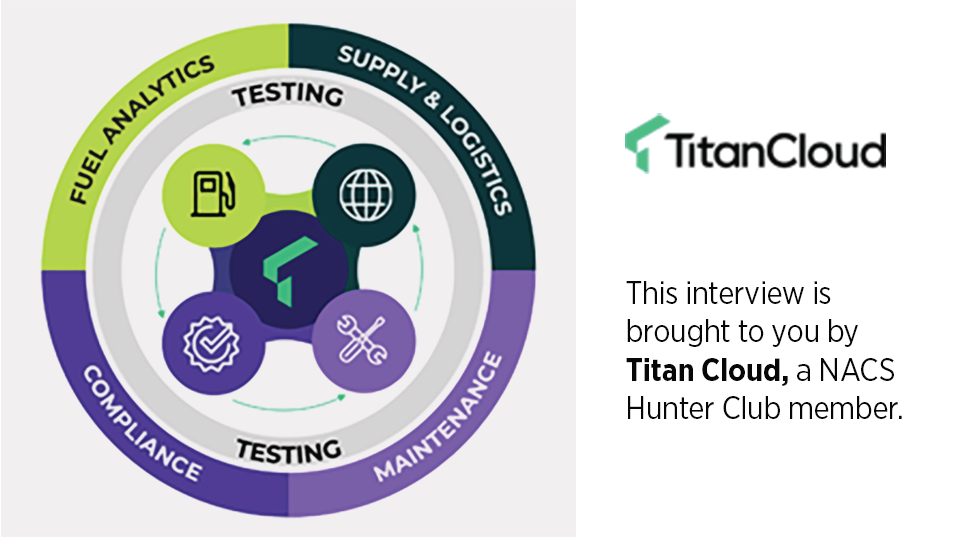
This interview is brought to you by Titan Cloud.
C-store operators face tight margins, lean teams and rising expectations for uptime—from dispensers and in-store equipment to EV charging. When assets go down, the costs show up fast in lost gallons, missed trips and higher service spend. Titan Cloud helps retailers connect maintenance, compliance, fuel analytics and supply planning in one platform. NACS Media spoke with Adi Raz, Vice President of Product and Data Science, about what that looks like in practice.
What does a modern, scalable maintenance approach look like?
A modern approach shifts from reactive firefighting to proactive, planned maintenance. Start with the basics: schedule preventive work and inspections, and track what’s due, overdue or failed so issues don’t surface too late.
Next, connect the data. Many retailers still manage assets, service calls, vendors and inspection records in separate places, making it hard to see what’s happening across the network. A scalable approach creates one view of asset health, work orders, contractor performance, response times, downtime and costs—so teams can spot repeat issues and improve over time. Titan Cloud brings fuel and nonfuel maintenance together in one platform, from dispensers and refrigeration to car washes and EV chargers.
Finally, focus on patterns. Knowing what fails most often—and where—helps reduce downtime, lower operating costs and drive fewer repeat failures and faster fixes.
Which analytics should operators prioritize?
Operators should prioritize analytics that help them make better decisions every day—not analytics that simply add more data. A good test is: “What changed, what matters and what should I do next?” If analytics don’t answer that, they’re not doing their job.
That’s why exception-based reporting matters. Most operators don’t need a screen full of numbers—they need the few alerts that truly count, like unusual consumption, unexpected inventory movement or equipment behavior that signals a problem. When analytics surface the right exceptions, teams can focus fast instead of getting buried in noise.
Continue reading “A Smarter Way to Run Fuel and Energy Operations” in the April 2026 issue of NACS Magazine.
