SNAP Recipients Sue USDA Over Food Restriction Waivers
The lawsuit challenges USDA's authority to approve restrictions and argues retailers and recipients were left out of the process.
Mar 12, 2026 | 3 min read
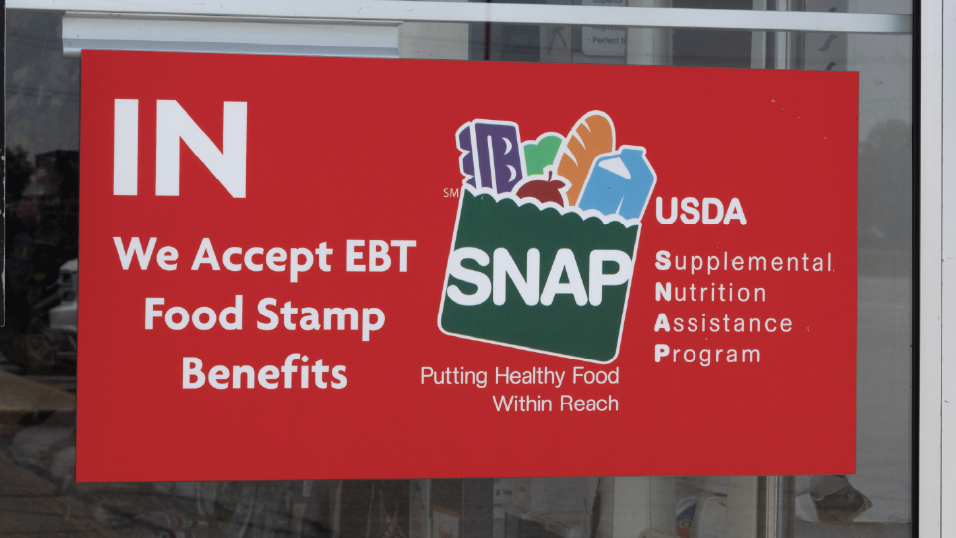
A group of SNAP recipients filed a federal lawsuit Wednesday challenging the U.S. Department of Agriculture’s (USDA) approval of food restriction waivers in five states, arguing the agency exceeded its legal authority and failed to follow required procedures, and that the resulting confusion is harming both the families who depend on SNAP and the retailers who serve them.
The case, Aragon v. Rollins, was filed in Washington, D.C. and targets the waivers in Colorado, Iowa, Nebraska, Tennessee and West Virginia—five of the twenty-two states where USDA has now approved restrictions on what SNAP recipients can buy with their benefits.
The waivers, championed by Agriculture Secretary Brooke Rollins and Department of Health and Human Services Secretary Robert F. Kennedy Jr. as part of the “Make America Healthy Again” agenda, ban SNAP recipients from using their benefits to buy items like soda, energy drinks and candy. The plaintiffs argue USDA never had the legal authority to approve them and that the agency skipped the public notice and comment process required before making changes of this magnitude.
The complaint also notes that in 2018 during the first Trump Administration, USDA at the time rejected similar waiver requests from Maine and Nevada, stating that such restrictions would increase government administrative costs, impose significant burdens on retailers and restrict household food choices without evidence of meaningful health benefits.
The lawsuit also highlights SNAP retailer concerns, including vague and inconsistent product definitions that make compliance across state lines challenging. Each state with a SNAP restriction waiver has defined its banned products differently, and most haven't given retailers a usable list of which products are off-limits. Retailers are left to make their own product-by-product calls and are under threat of losing their SNAP license if they are found out of compliance after two strikes. A study cited in the complaint, led by NACS, the National Grocers Association, and FMI – The Food Industry Association, estimates the upfront cost of compliance at $1.56 billion across the food retail sector, with convenience stores bearing the largest share.
“This lawsuit raises issues that NACS has flagged for the Department of Agriculture many times,” said Margaret Mannion, NACS director of government relations. “We need answers for how SNAP restrictions can work in the real world. If there are no answers, then the courts or the Department should put an end to these waivers. So far, states have failed to provide the practical guidance that should be a baseline for making such fundamental changes to the program.”
NACS has been active on multiple fronts to address the operational challenges the SNAP waiver patchwork creates for retailers, including pushing USDA for a delay in implementation, federal standardization of product definitions, robust UPC-list guidance and safe harbor protections for good-faith compliance efforts.
SNAP
